
Agility is not speed
Issue #24 - When moving fast feels adaptive but quietly locks in the wrong assumptions

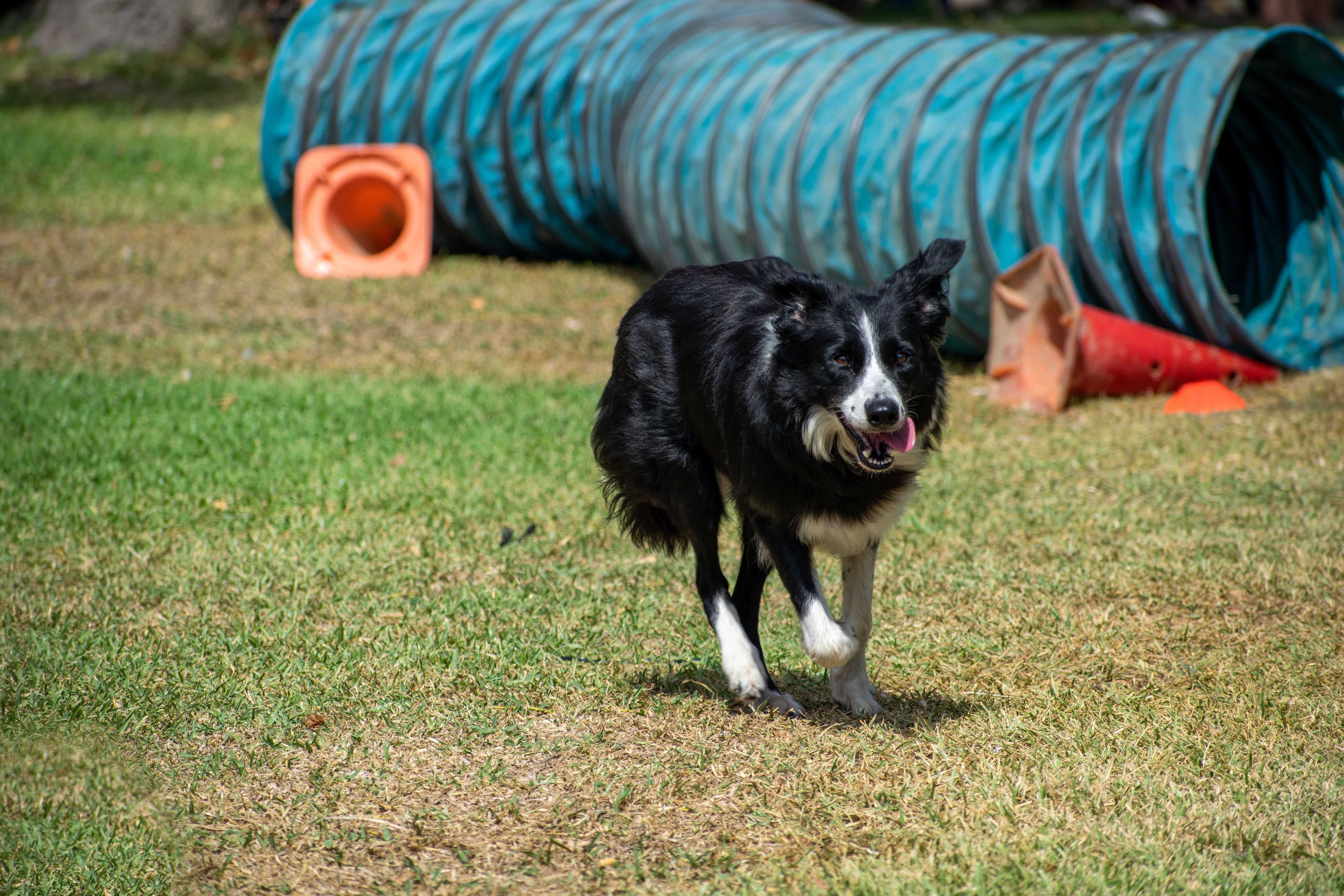
The small dog waits at the starting line, still, focused, coiled like a spring.
The signal sounds.
He explodes forward.
In seconds he is leaping over bars, diving through tunnels, weaving between poles, accelerating, braking, pivoting, accelerating again. Thirty seconds later, he has completed the entire obstacle course, tail wagging as the crowd erupts.
This is dog agility.
And here is the thing most people miss: the winner is not the fastest dog.
It is the dog that can change speed and direction with the least friction.
Fast but wrong loses every time.
If you have been reading my other posts, this should sound familiar.
Because supply chains run agility courses too. Obstacles appear without warning. Conditions shift mid-run. And moving quickly is useful, right up to the moment it is not. Speed alone is not agility. Speed without responsiveness is exposure.
Where speed misleads us
If you have ever tried orienteering, you know this feeling well.
There is no marked route. You choose your own path. You read terrain, landmarks, elevation, distance. You adjust constantly. Sometimes the right move is to sprint. Sometimes the fastest way forward is to stop, reorient, and accept that your last decision may have been wrong.
Running fast in the wrong direction does not make you competitive. It just gets you lost sooner.
Supply chains are not marathons.
There is no fixed course.
The terrain changes as you move through it.
Direction matters. But so does your ability to change it.
Think of driving a high-performance car at speed, only to discover that the brakes barely work. The engine is powerful, but the options are limited. Acceleration without control is not strength. It is fragility waiting for a curve.
Organizations fall into this trap constantly. They rush orders, rush hiring, rush expansion, rush capital investments. Decisions stack up quickly, often without preserving the option to pause, reassess, or reverse course.
Speed without options is fragility.
Speed without direction is waste.
Speed without responsiveness is risk.
When speed locks you in
This is where many discussions of agility quietly break down.
The real danger is not moving fast. It is moving fast in ways that eliminate future choices. When speed hardens into fixed commitments, agility disappears long before performance does.
Which brings us to Peloton.
Peloton: when acceleration removed the brakes
When the pandemic hit, Peloton’s demand surged almost overnight. Gyms closed. Lockdowns spread. Home fitness became the default.
Peloton responded the way many organizations would under similar pressure. They accelerated.
They committed to tens of millions of units. They expanded production capacity. They poured capital into logistics, factories, and long-term contracts. Each decision made sense in isolation. Together, they converted temporary demand into permanent structure.
And for a time, it worked.
Then the environment shifted again.
As the world reopened, demand snapped back. Gyms refilled. Home workouts declined. The assumptions embedded in Peloton’s expanded footprint no longer held.
What remained were warehouses full of inventory, suspended production, abandoned factory plans, frustrated investors, and looming layoffs.
The company later acknowledged the core issue plainly: demand had been misread, and scale had been added too quickly to unwind.
Peloton did not fail because it was slow.
It failed because it committed to a direction before it could test whether the signal was durable.
A temporary spike disguised itself as a structural change. Speed looked like agility, until the option to slow down disappeared.

What agility actually demands
Agility is not top speed.
It is not constant acceleration.
It is not responsiveness measured in days instead of weeks.
Agility is the disciplined ability to change pace and change direction without breaking the system.
It lives in selective acceleration. In preserving options. In recognizing which decisions are reversible and which ones quietly close doors behind them.
A great orienteer does not just move fast. They protect their ability to re-route.
A great agility dog does not just sprint. It flows, brakes, pivots, and accelerates again without hesitation.
In supply chains, the winners are rarely the fastest. They are the ones who can speed up, slow down, and redirect without locking themselves into yesterday’s assumptions.
Speed is not the enemy.
Our confidence about when speed is safe might be.
If you enjoyed this post and want to support my work:
Have you lived through a supply chain disruption? I am interviewing supply chain professionals for Supply Chain Shift. Please message me if you would like to share your story.
Sources
Peloton's Rise and Fall: From Pandemic Success to Record Low - Business Insider